Laser Hair Removal
Stop shaving, waxing, and plucking. Elite IQ laser delivers permanent hair reduction for all skin types with minimal discomfort and zero downtime.
Freedom from Unwanted Hair
Are you tired of the endless cycle of shaving every few days, only to deal with stubble, razor bumps, and irritation? Frustrated with painful waxing appointments that leave your skin red and inflamed? Calculating how much you have spent on razors, shaving cream, and wax over the years? If you have ever dreamed of smooth, hair-free skin without the constant maintenance, laser hair removal offers a permanent solution that can transform your daily routine and boost your confidence.
The financial case alone is compelling. The average person spends thousands of dollars over their lifetime on temporary hair removal methods. A typical woman spends approximately 72 days of her life shaving. Factor in the cost of razors, shaving cream, waxing appointments, ingrown hair treatments, and the time spent dealing with unwanted hair, and the investment in laser hair removal pays for itself within a few years while delivering permanent results that last a lifetime.
Our Elite IQ laser represents the gold standard in hair removal technology. Unlike older laser systems that were only safe for light skin tones, the Elite IQ 650-microsecond Nd:YAG 1064nm laser can safely and effectively treat all Fitzpatrick skin types I-VI, including very dark skin that was previously at high risk for burns and hyperpigmentation with traditional lasers. This revolutionary ultra-short pulse duration allows the laser to target hair follicles with precision while minimizing heat damage to surrounding skin.
The treatment works by targeting melanin, the dark pigment in hair follicles. When the laser light is absorbed by melanin in the hair shaft and follicle, it converts to heat energy that damages the follicle structure and prevents future hair growth. The key to success is treating hair during the anagen (active growth) phase when the hair shaft is connected to the follicle and melanin concentration is highest. Because hair grows in cycles and not all follicles are in anagen at the same time, multiple treatments are needed to catch all follicles in their growth phase.
Laser hair removal can be performed on virtually any area of the body. Popular treatment areas include face (upper lip, chin, sideburns, full face for those with hirsutism or PCOS), underarms, bikini line (from basic bikini to full Brazilian), legs (full legs, lower legs only, or thighs only), arms (full arms or just forearms), back and shoulders, chest and abdomen, and even hands, feet, fingers, and toes. Whether you want to treat one small problem area or achieve full-body hair removal, we can customize a treatment plan to meet your needs and budget.
The procedure is surprisingly comfortable, especially compared to waxing. Most patients describe only a mild warm sensation during treatment, often compared to a warm rubber band snap. The Elite IQ laser features no-contact cooling technology that protects the skin surface and minimizes discomfort throughout the procedure. No numbing cream or topical anesthesia is typically required, making treatment quick and convenient. Treatment times vary from just 5-10 minutes for small areas like the upper lip or underarms to 30-60 minutes for large areas like full legs or back.
One of the most appealing aspects of Elite IQ laser hair removal is the complete absence of downtime. Unlike waxing which can leave skin red, irritated, and sensitive for days, laser hair removal allows you to return to all normal activities immediately. You can exercise, swim, apply makeup, and go about your day without any restrictions. This makes it the perfect treatment for busy professionals, athletes, and anyone who cannot afford downtime from their active lifestyle.
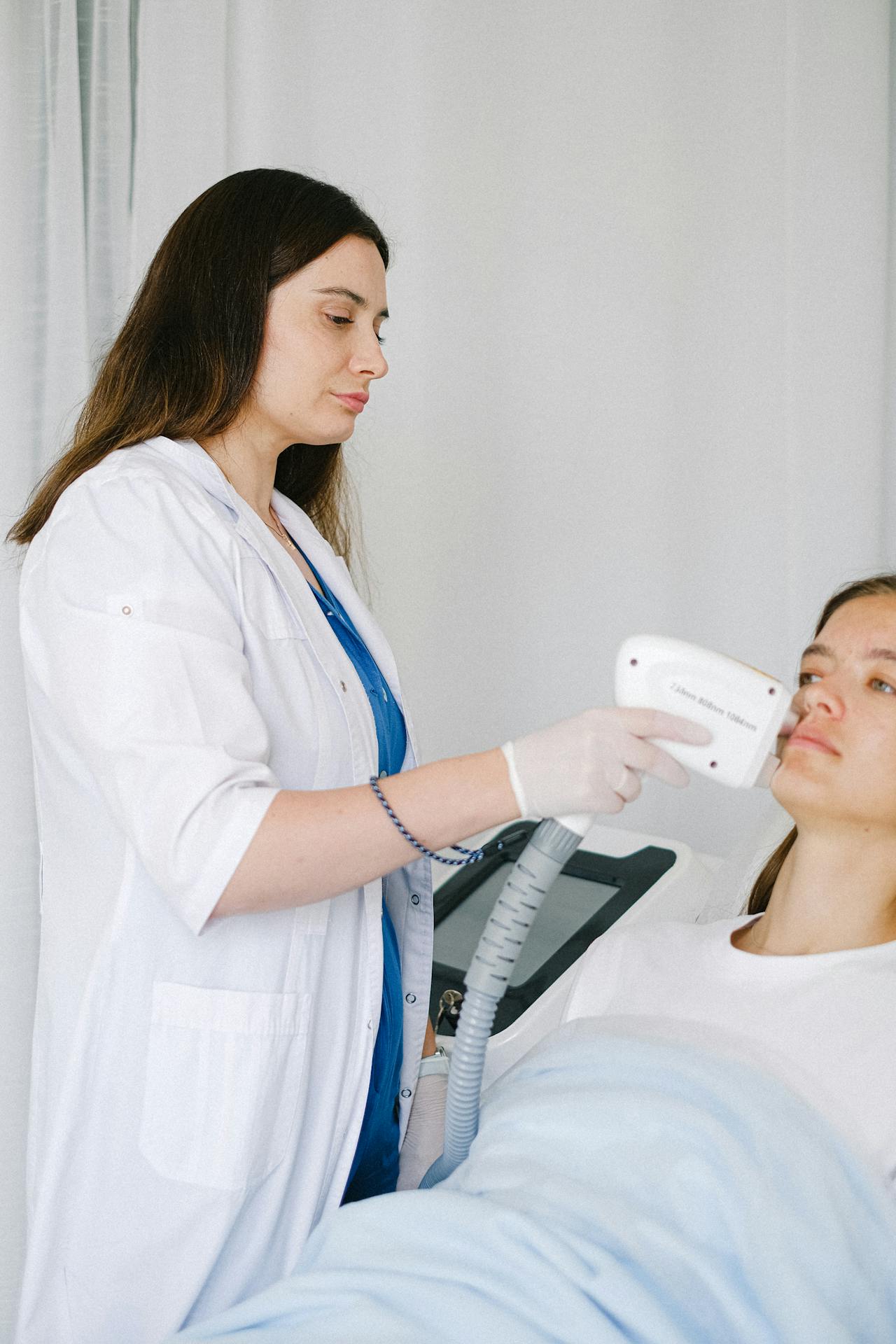
The Elite IQ Laser Technology
Understanding the revolutionary laser system that safely treats all skin types without contact cooling or numbing.
650 Microsecond Pulse
The Elite IQ laser delivers energy in an ultra-short 650-microsecond pulse duration — much shorter than traditional millisecond lasers. This incredibly brief energy delivery heats the hair follicle to destructive temperature while allowing minimal heat to diffuse into surrounding tissue, dramatically reducing the risk of burns, pain, and hyperpigmentation.
- 650 microsecond pulse width
- 1000x shorter than traditional lasers
- Minimal thermal diffusion to skin
1064nm Nd:YAG Wavelength
The 1064nm near-infrared wavelength penetrates deep into the dermis to reach hair follicles while having lower melanin absorption in the epidermis compared to shorter wavelengths. This combination makes it uniquely safe for darker skin types, including African-American, Hispanic, Asian, and tanned skin that would be at high risk with traditional 755nm or 810nm lasers.
- 1064nm near-infrared wavelength
- Deep follicle penetration 3-5mm
- Low epidermal melanin absorption
No Contact Cooling Required
Because the ultra-short pulse duration minimizes heat transfer to the epidermis, no contact cooling gel, sapphire cooling tips, or cryogen spray is needed. This allows faster treatment times, easier treatment of contoured areas like the face and bikini, and a more comfortable experience without cold gel or numbing preparations.
- No messy cooling gel required
- No pre-treatment numbing needed
- Faster, more comfortable treatments
Safe All Fitzpatrick Types
Clinical studies have demonstrated the Elite IQ laser's safety and efficacy across all Fitzpatrick skin types I-VI, including the darkest skin tones. The combination of long wavelength and ultra-short pulse minimizes epidermal damage while effectively treating hair follicles, making it the gold standard for laser hair removal on darker skin.
- Fitzpatrick I-VI approved
- Minimal hyperpigmentation risk
- Effective on tanned skin
The Hair Growth Cycle: Why Multiple Sessions Are Necessary
Understanding Hair Biology and the Science of Permanent Hair Reduction
To understand why laser hair removal requires multiple sessions and why results are permanent, you need to understand the hair growth cycle. Hair does not grow continuously; it grows in distinct phases that cycle independently for each follicle. At any given moment, different hairs on your body are in different phases of growth, rest, and shedding.
The anagen phase is the active growth phase when the hair shaft is connected to the follicle and melanin production is at its peak. This is the only phase when laser hair removal is effective because the hair must be connected to the follicle for thermal energy to travel down the shaft and damage the follicle. Anagen duration varies by body area: facial hair has a short anagen of 4-18 months, underarm and bikini hair grow for 3-4 months, and leg hair has a longer anagen of 4-6 months. At any given time, only 20-40% of body hair is in anagen, which is why multiple treatments are needed.
"Laser hair removal works by targeting melanin in actively growing hair follicles during the anagen phase. Since only 20-40% of hair is in anagen at any time, 6-8 treatments are needed to catch all follicles as they cycle into the growth phase."
The Catagen and Telogen Phases
The catagen phase is a brief transitional phase lasting just 2-3 weeks when the hair stops growing and detaches from the blood supply. The follicle shrinks and the hair becomes what is called a "club hair." Hair in catagen cannot be effectively treated with laser because it is disconnected from the follicle root.
The telogen phase is the resting phase when the hair remains in the follicle but is no longer growing. This phase lasts 3-4 months for most body hair. Eventually, a new anagen hair begins growing beneath the telogen hair and pushes it out, causing it to shed naturally. Again, telogen hairs cannot be effectively treated because they are disconnected from the active follicle.
Why Multiple Treatments Are Essential
Because of this growth cycle, a single laser treatment can only effectively target the 20-40% of hair currently in anagen. The remaining 60-80% of hair in catagen or telogen will not be affected. This is why you will see significant reduction after the first treatment (those anagen hairs are gone), but also why new hair appears to "grow back" in the following weeks (those are actually catagen and telogen hairs that were always there but now become visible as they enter anagen).
The solution is a series of treatments spaced according to the growth cycle of hair in each area. Facial hair, with its shorter cycle, requires treatments every 4-6 weeks. Underarms and bikini area are treated every 6-8 weeks. Legs, arms, and back with longer growth cycles can be treated every 8-12 weeks. By spacing treatments at these intervals, we catch each follicle as it cycles into anagen, progressively reducing the total hair population until 80-95% of follicles have been permanently disabled.
Understanding "Permanent Hair Reduction"
It is important to understand that laser hair removal produces "permanent hair reduction," not necessarily complete permanent hairlessness. Most patients achieve 80-95% reduction in hair growth, with remaining hairs often becoming finer, lighter, and slower-growing. Hormonal factors can influence results: women with polycystic ovary syndrome (PCOS) or hormonal imbalances may require ongoing maintenance treatments because hormones can stimulate dormant follicles or create new vellus hair. Men treating chest or back hair may also need periodic maintenance as hormones continue stimulating some follicle activity.
Hair Color and Laser Effectiveness
Laser hair removal works best on dark, coarse hair because melanin concentration is highest. Blonde, red, white, or grey hair has little to no melanin and responds poorly to laser treatment. Very fine vellus hair (peach fuzz) also has limited melanin and may not respond well. For these hair types, alternative methods like electrolysis may be more effective, though more time-consuming and expensive.
Your Laser Hair Removal Treatment
From consultation to recovery — here's exactly what to expect at every stage.
Shave 24 Hours Before
The treatment area must be shaved 12-24 hours before your appointment so the laser can target the hair shaft beneath the skin surface.
- Timing: Shave treatment area 12-24 hours before your appointment
- Method requirement: Do not wax, pluck, or use depilatory creams beforehand
- Ideal length: Short stubble (1-2mm) allows optimal laser targeting
- Why shaving: Too-long hair absorbs energy causing discomfort; stubble guides treatment
Cleanse Treatment Area
The skin is thoroughly cleansed to remove any makeup, lotions, or oils that could interfere with laser penetration.
- Deep cleansing: Complete removal of cosmetics, deodorant, and skincare products
- Treatment planning: Area assessment, marking if needed, and documentation photos
- Eye protection: Protective eyewear provided for facial treatments
Laser Treatment Passes
The Elite IQ handpiece is passed systematically over the treatment area. You'll feel mild warmth or tingling with each pulse.
- Systematic coverage: Complete treatment of entire area in organized sections
- Comfortable sensation: Mild warmth or tingling, no numbing or cooling gel needed
- Treatment duration: 5 minutes (upper lip) to 60 minutes (full legs) depending on area
- Specific timings: Underarms 10 min, Brazilian 15-20 min, full legs 45-60 min
Immediate Return to Activities
There is no downtime. Mild redness resolves within 1-4 hours and you can resume all normal activities immediately.
- Minimal reaction: Mild redness resolves in 1-4 hours, completely normal
- No restrictions: Apply makeup, shower, exercise, and return to all activities
- Hair shedding: Treated hair sheds naturally 7-14 days as damaged follicles expel shafts
Is Laser Hair Removal Right for You?
Ideal Candidates
- All Fitzpatrick skin types I-VI (light to very dark skin)
- Dark, coarse hair (best response to treatment)
- Brown or black hair (high melanin content)
- Anyone tired of shaving, waxing, or plucking
- Those struggling with razor bumps or ingrown hairs
- Women with PCOS seeking facial hair reduction
- Athletes and swimmers wanting hair-free skin
- Patients seeking long-term cost savings vs waxing
- Anyone wanting to eliminate daily shaving routine
- Those seeking smooth skin for aesthetic or comfort reasons
Poor Candidates / Contraindications
- Blonde, red, white, or grey hair (low melanin, poor response)
- Very fine vellus hair (insufficient melanin for effective treatment)
- Pregnancy or breastfeeding (safety precaution)
- Active skin infections in treatment area
- Recent tanning (sun or artificial) within 2 weeks
- History of keloid scarring in treatment area
- Photosensitizing medications (tetracycline, isotretinoin)
- Active herpes outbreak in treatment area
Note for Hormonal Hair: Women with PCOS, hirsutism, or hormonal imbalances can achieve excellent results with laser hair removal, but may require maintenance treatments because hormones can stimulate new hair growth or activate dormant follicles over time. We recommend addressing underlying hormonal issues with your physician for best long-term results.
Aftercare & What to Expect Between Sessions
Proper aftercare ensures optimal results and skin health throughout your laser hair removal journey.
Immediately After (0-4 Hours)
Mild redness and slight swelling in the treatment area are normal and resolve within 1-4 hours for most patients. The treated area may feel warm like a mild sunburn. Apply aloe vera or a soothing moisturizer if desired. Avoid hot showers, saunas, hot tubs, and vigorous exercise for 24 hours to allow skin to cool and settle.
Days 1-7: The "No Growth" Period
During the first week, you will notice virtually no hair growth. The treated hairs are still in the follicles but are no longer growing. This is the best week — completely smooth skin with no maintenance needed. You can shave if needed (though most patients do not need to), but absolutely no waxing, plucking, threading, or depilatory creams which would interfere with the shedding process.
Weeks 2-3: Hair Shedding Phase
Between 7-21 days post-treatment, the treated hairs will begin shedding from the damaged follicles. They may appear to "grow" but are actually being pushed out and will fall out easily. You can gently exfoliate starting week 2 to help loosen shedding hairs. Do not pluck or wax — let them shed naturally. By week 3, most treated hair will have shed, leaving you smooth and hair-free.
Weeks 4-8: Hair-Free Period & New Growth
You will enjoy several weeks of smooth, hair-free skin. Around week 4-6, you will start noticing new hair growth. This is NOT the same hair growing back — it is hair that was in catagen or telogen phase during your last treatment and is now entering anagen. This is why your next treatment is scheduled at this point, to target this newly active hair.
Between Sessions: Critical Rules
You may shave as needed between treatments — shaving does not affect results. However, you must NOT wax, pluck, thread, or use depilatory creams between treatments. These methods remove the hair root which the laser needs to target. Removing hair roots between sessions will compromise results and prolong your treatment series. Exfoliate weekly starting week 2 post-treatment to prevent ingrown hairs and help shedding.
Sun Protection: Essential
Avoid sun exposure and tanning (sun or artificial) for 2 weeks before and after each treatment. Tanned skin has increased epidermal melanin which competes with hair melanin for laser energy, increasing burn risk and reducing efficacy. Always wear SPF 30+ on treated areas, especially face, arms, and any exposed areas. Postpone treatment if you have a tan — wait until it fades completely.
Recommended Products
Aloe Vera Gel
Soothing, cooling gel for immediate post-treatment comfort and redness reduction
Gentle Exfoliant
Physical or chemical exfoliant to use starting week 2 to prevent ingrown hairs and facilitate shedding
Fragrance-Free Moisturizer
Hydrating lotion to keep treated skin comfortable and healthy between sessions
SPF 30+ Sunscreen
Broad-spectrum sunscreen for daily protection of treated areas from sun exposure
Benefits of Laser Hair Removal
All Skin Types
Safe and effective for all skin tones including darker skin, unlike traditional laser systems.
Full Body Coverage
Treat any area from face to full body including Brazilian, legs, arms, back, and more.
Minimal Discomfort
Advanced technology ensures comfortable treatment with only mild warm sensation.
No Downtime
Return to normal activities immediately with zero recovery time required.
Pricing & Packages
Permanent hair reduction for all skin types with Elite IQ technology and zero downtime.
Laser Hair Removal
$99
per session
Small areas — 5-15 minutes each
Book Free ConsultationFree consultation included with all packages. 6-8 sessions recommended for optimal permanent hair reduction. Pricing varies by treatment area.
Frequently Asked Questions
Common questions about laser hair removal
Most patients achieve optimal permanent hair reduction with 6-8 treatment sessions spaced according to the hair growth cycle of each area. Facial hair typically requires treatments every 4-6 weeks due to its faster growth cycle. Body areas like underarms and bikini are treated every 6-8 weeks. Legs, arms, and back with slower growth cycles can be treated every 8-12 weeks. You will notice progressive reduction in hair growth with each session, with many patients seeing 80-95% permanent hair reduction after completing their full series. Some individuals, particularly those with hormonal influences like PCOS, may require occasional maintenance treatments to address new hair stimulated by hormones.
Yes, the Elite IQ laser is specifically designed to be safe and effective for all Fitzpatrick skin types I-VI, including very dark skin that was previously at high risk with older laser technology. The unique combination of 1064nm wavelength and 650-microsecond pulse duration allows the laser to target hair follicles effectively while minimizing thermal damage to the surrounding epidermis. This makes Elite IQ one of the safest and most effective options available for laser hair removal on darker skin tones, including African-American, Hispanic, Asian, Indian, and Middle Eastern skin. During your consultation, we will assess your skin type and customize treatment parameters to ensure safe, effective results.
Laser hair removal produces what is called "permanent hair reduction" rather than complete permanent hairlessness. Once a hair follicle is damaged by laser treatment, that follicle is permanently disabled and will not produce hair again. Most patients achieve 80-95% reduction in hair growth after completing a full series of treatments. Any remaining hair is often finer, lighter in color, and slower growing than before treatment. It is important to note that hormonal changes, aging, medications, and certain medical conditions can stimulate new hair growth from previously dormant follicles or activate vellus hair. For this reason, some patients choose to have occasional touch-up sessions every 1-2 years to maintain completely smooth results.
The Elite IQ laser is significantly more comfortable than waxing and most other hair removal methods. Most patients describe the sensation as mild warmth or a light tingling, often compared to a warm rubber band snap. The ultra-short 650-microsecond pulse duration minimizes heat transfer to the skin, reducing discomfort substantially compared to traditional millisecond lasers. No numbing cream or cooling gel is needed for most patients and treatment areas. The procedure is well-tolerated by the vast majority of patients without any anesthesia. Sensitive areas like the bikini line or upper lip may feel slightly more sensation, but still remain very tolerable. Any post-treatment sensitivity typically resolves within a few hours.
We can treat virtually any area of the body with unwanted hair. Popular treatment areas include face (upper lip, chin, sideburns, jawline, full face), neck and throat, underarms, arms (full arms, forearms, or just hands), chest and abdomen, back and shoulders, bikini area (from basic bikini to full Brazilian), legs (full legs, lower legs, thighs, or feet), and even smaller areas like fingers, toes, ears, and nose. We can customize treatment to address your specific concerns whether you want to treat just one problem area like the upper lip or achieve full-body hair removal. During your consultation, we will discuss your goals, assess the hair type and density in each area, and create a personalized treatment plan with pricing for your desired areas.
Proper preparation ensures optimal results and minimizes side effects. Shave the treatment area 12-24 hours before your appointment — short stubble is ideal. Do NOT wax, pluck, thread, or use depilatory creams for at least 4 weeks before treatment, as these methods remove the hair root that the laser needs to target. Avoid sun exposure and tanning (sun or artificial) for at least 2 weeks before treatment — tanned skin increases risk of side effects and reduces efficacy. Discontinue photosensitizing medications if possible after consulting your physician. Remove all makeup, lotions, deodorant, and products from the treatment area before arriving. Wear comfortable clothing that allows easy access to treatment areas.
Yes, you can and should shave as needed between laser treatments. Shaving only removes the hair shaft above the skin surface and does not affect the hair root or follicle, so it will not interfere with treatment results. In fact, keeping the area shaved makes subsequent treatments more comfortable and effective. However, you must NOT wax, pluck, thread, or use depilatory creams between sessions. These methods remove the entire hair including the root, which eliminates the target for the next laser treatment. Removing hair roots between treatments will significantly compromise your results and may require additional sessions to achieve your desired outcome. Stick to shaving only between treatments for best results.
Laser hair removal works by targeting melanin (dark pigment) in the hair follicle. Blonde, red, grey, and white hair contains little to no melanin, making laser treatment ineffective or only minimally effective on these hair colors. Some blonde and red hair with sufficient melanin may respond to treatment, but results are unpredictable and typically require more sessions than dark hair. For light-colored hair, electrolysis is the gold standard permanent hair removal method, though it is more time-consuming and expensive than laser. During your consultation, we will examine your hair color and provide an honest assessment of expected results. For those with mixed hair colors, we can treat the darker hairs with laser while discussing alternative options for light-colored hair.
Related Treatments
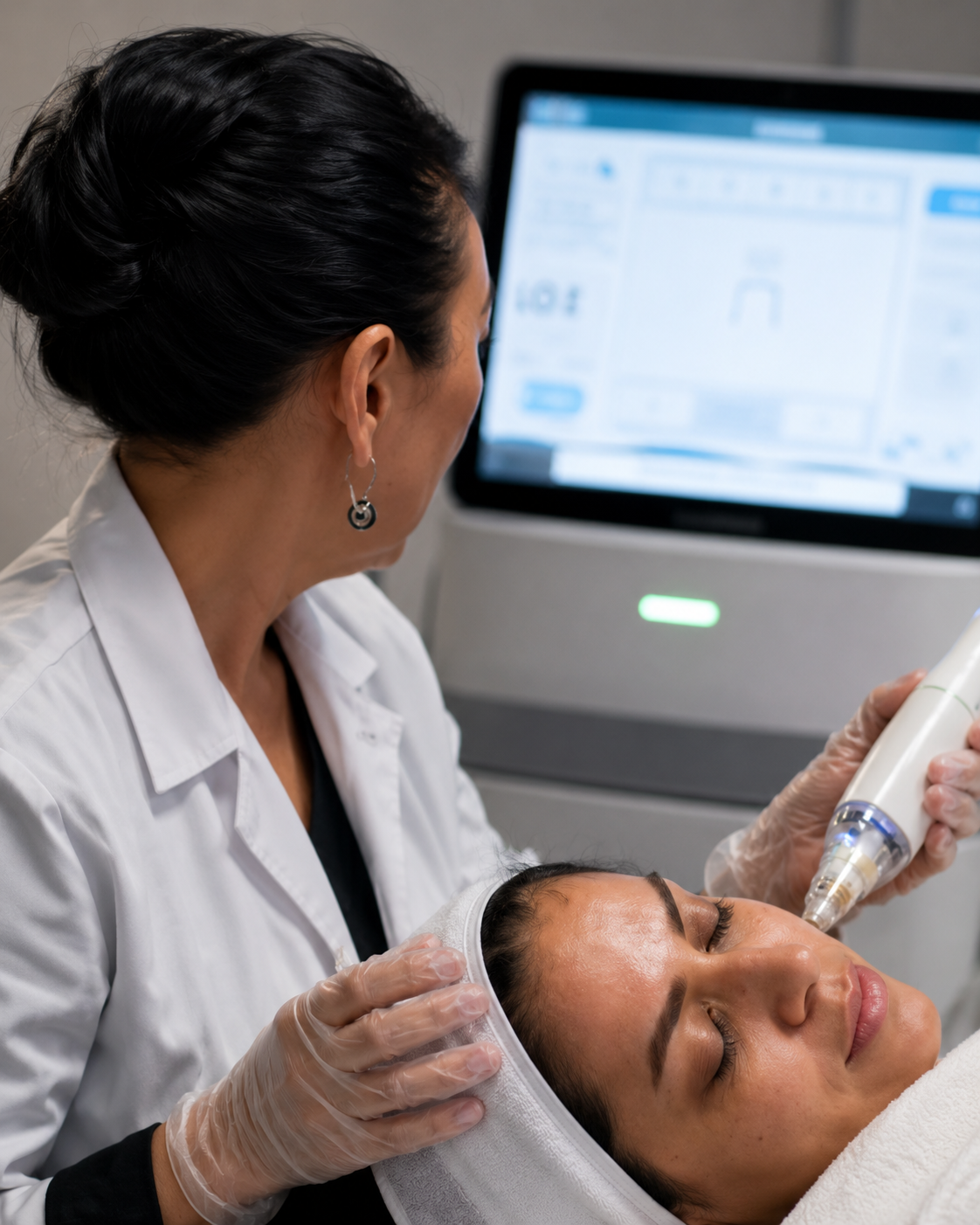
Vascular Treatment
Laser treatment for spider veins, broken capillaries, rosacea, and cherry angiomas.
Learn More
Hair Loss Treatment
PRP, mesotherapy, Dr. CYJ filler, and exosome therapy to stimulate growth and restore density.
Learn More
RF Microneedling
Potenza RF microneedling for collagen induction, acne scars, and skin tightening.
Learn More