FREE
ASSESSMENT
Every removal plan starts here
Tattoo removal in Markham · PicoSure Pro

Home·Treatments·PicoSure Tattoo Removal
From $120per session · up to 2×2 in · from $175 up to 6×6 in
755 nm system — red & orange inks are not treated. Results vary between individuals.
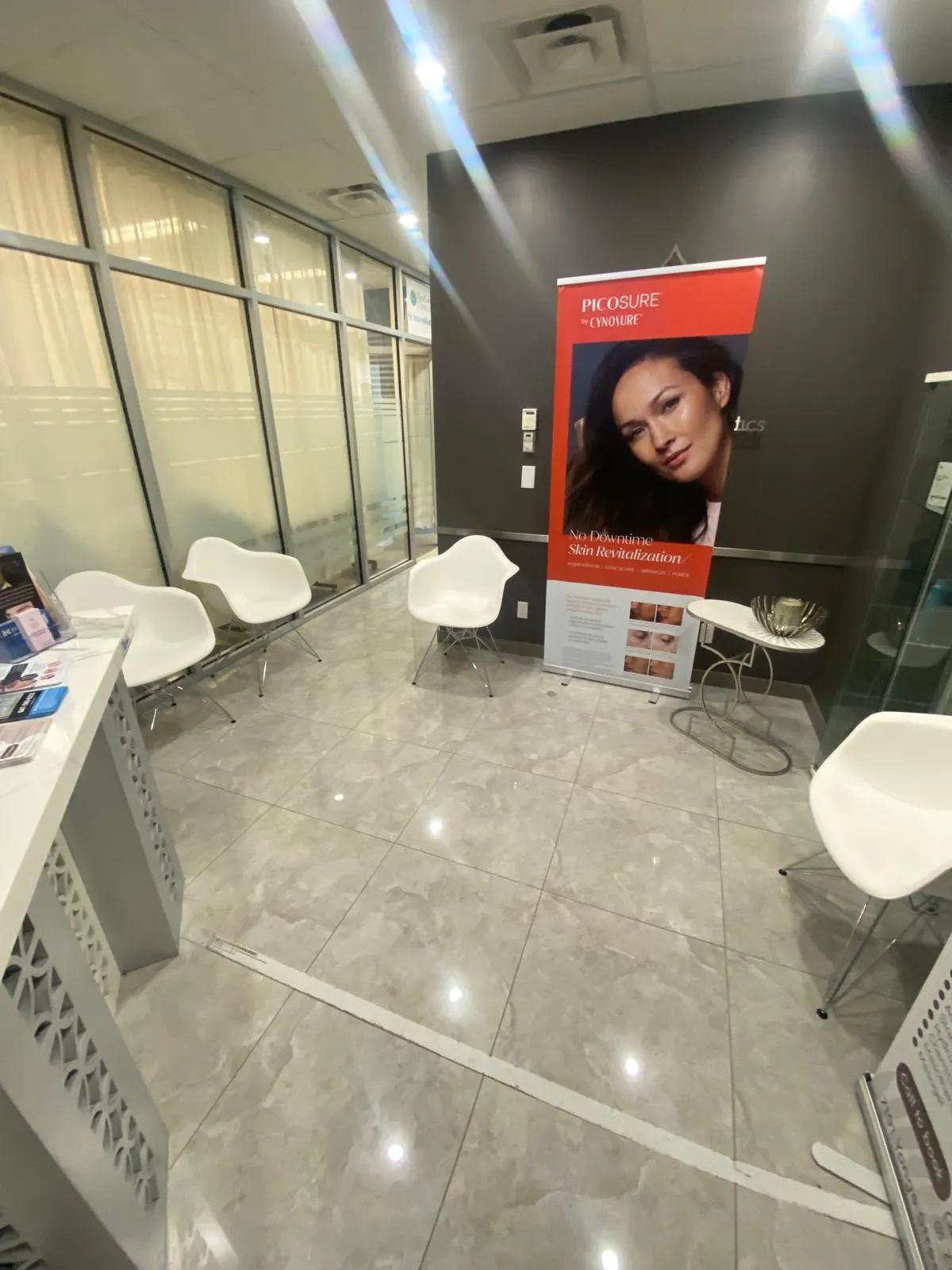
Every PicoSure session at our Markham clinic is performed personally by Natalia, our founder and lead practitioner, with over 10 years of hands-on experience in medical aesthetics. She assesses each tattoo in person and tailors the plan to your skin — rated 5.0 on Google across 43 reviews.
PicoSure tattoo removal
Advanced picosecond laser technology for safe, effective tattoo fading — from $120 per session at our Yonge & Steeles clinic.
PicoSure represents the pinnacle of laser tattoo removal technology, delivering ultra-short picosecond pulses (trillionths of a second) at a 755nm alexandrite wavelength. Unlike older Q-switched lasers that rely on photothermal (heat-based) mechanisms to burn away ink, PicoSure creates a powerful photomechanical effect—a pressure wave that shatters tattoo ink particles into minuscule fragments your body's lymphatic system can naturally eliminate.
This revolutionary approach means fewer treatments, less discomfort, and minimal risk of scarring or hyperpigmentation. PicoSure is FDA-cleared and Health Canada approved for tattoo removal across Fitzpatrick skin types I-VI. Darker complexions are treated with conservative, individually tailored settings and a patch test, since 755nm energy is absorbed more strongly by melanin and needs an experienced operator to keep pigment-change risk low.
The difference between PicoSure and older Q-switched lasers comes down to speed. Q-switched lasers deliver energy in nanoseconds (billionths of a second), which generates significant heat. This thermal energy breaks down ink but also damages surrounding tissue, leading to longer healing times and increased risk of side effects.
PicoSure's picosecond pulses are 100 times faster, delivering energy so quickly that heat doesn't have time to build up. Instead, the rapid energy transfer creates an acoustic shockwave that mechanically fractures ink particles without burning surrounding dermis. This photomechanical approach is gentler on skin, more effective on stubborn colors, and significantly reduces treatment sessions.
PicoSure by Cynosure received FDA clearance in 2012 for tattoo removal and benign pigmented lesions. It was the world's first picosecond aesthetic laser, pioneering a new generation of energy-based treatments. Health Canada approval followed, establishing PicoSure as the gold standard for safe, effective tattoo removal in North America.
The laser is clinically proven to remove black, blue, green, brown, purple, and turquoise inks in professional and amateur tattoos. It's also cleared for skin revitalization using the Focus Lens Array, making it a versatile platform for both removal and rejuvenation treatments.
Beyond speed, PicoSure's 755nm alexandrite wavelength offers superior absorption by black and blue-green pigments compared to the 1064nm Nd:YAG wavelength used by most Q-switched lasers. This means better targeting of stubborn colors like turquoise, teal, and purple that historically resisted removal.
The laser also features adjustable spot sizes (2-6mm), customizable fluence levels up to 1.6 J/cm², and repetition rates up to 10Hz for efficient treatment of large tattoos. Whether your tattoo is professional or amateur, black ink or multicolored, fresh or decades old, PicoSure's advanced parameters can be tailored to your unique removal needs.
Technology
Our Markham clinic uses the Cynosure PicoSure Pro, the most advanced picosecond laser platform available. Here's what makes this technology revolutionary.
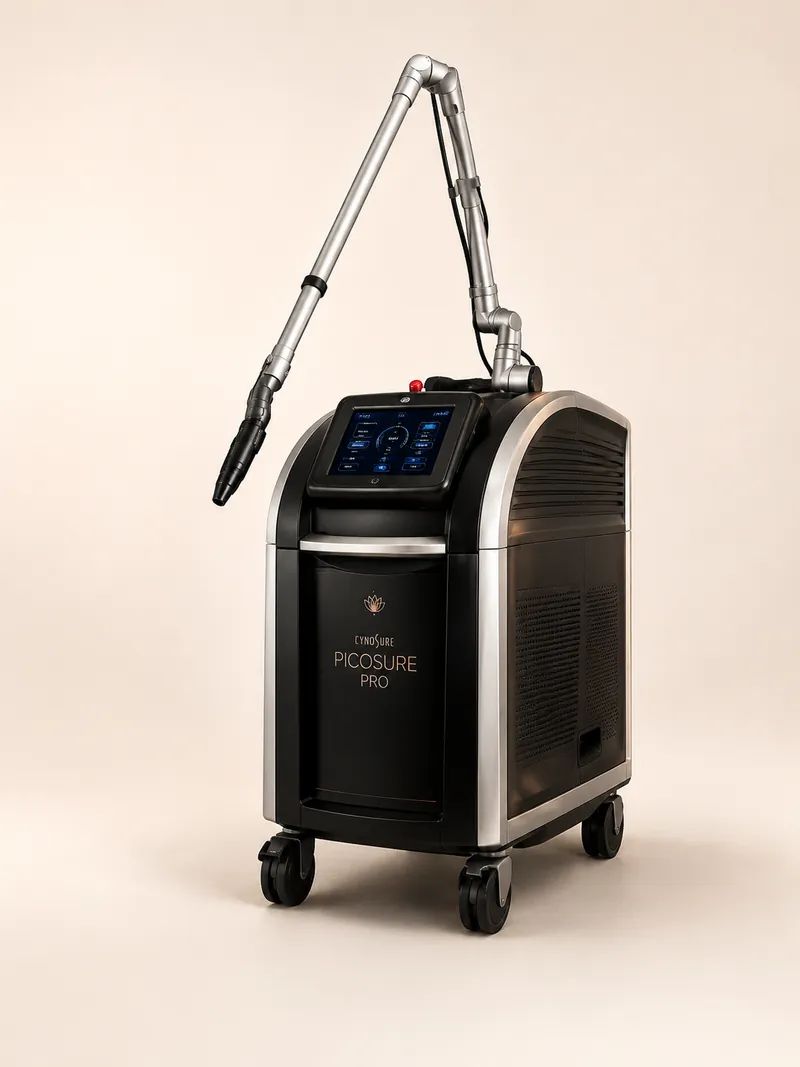
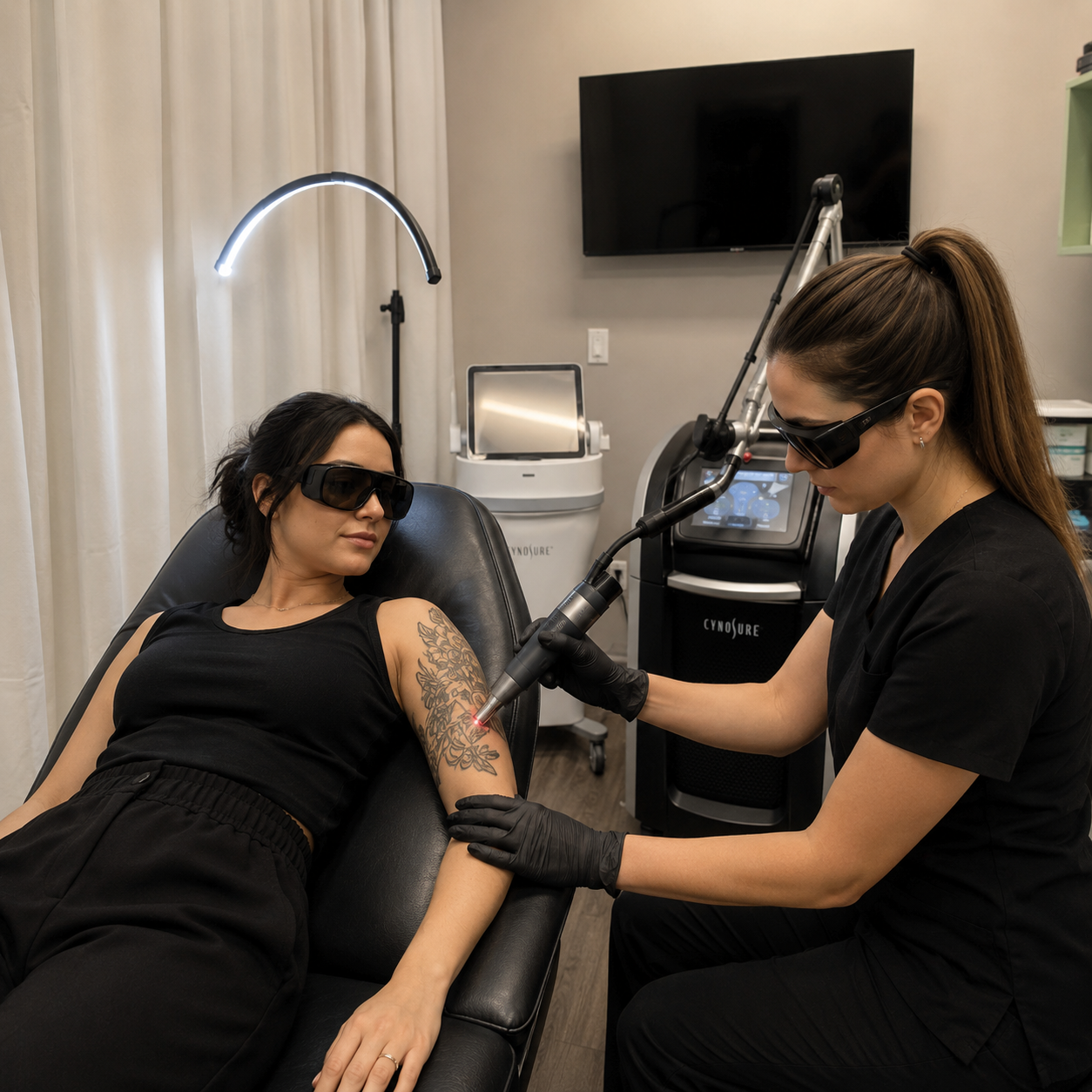
Every treatment at our Markham clinic is performed on the Cynosure PicoSure Pro — the world's first picosecond aesthetic laser and the platform that set the standard for modern tattoo removal.
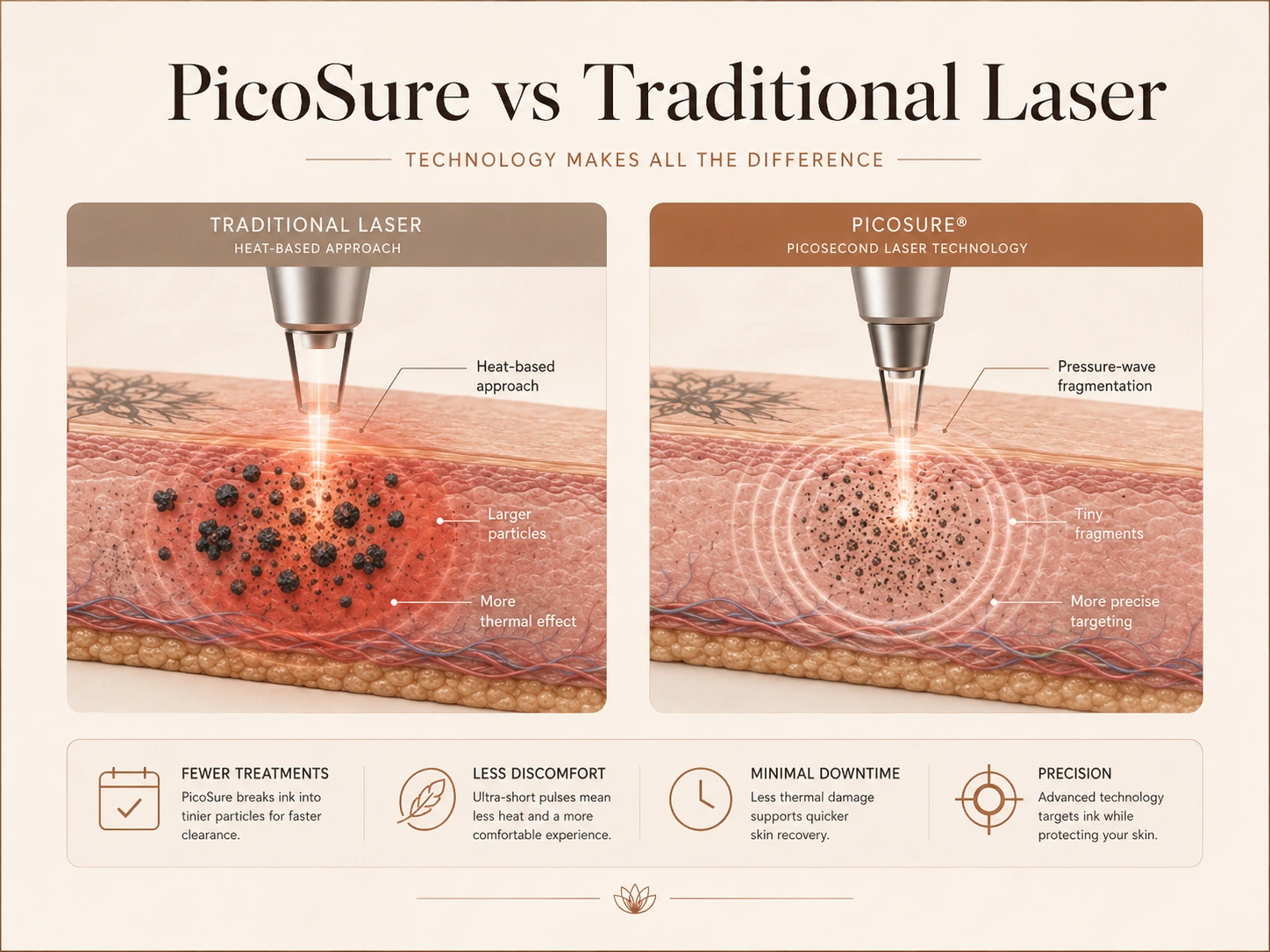
Optimal absorption for black, blue, and green pigments. Targets melanin and tattoo ink with precision while minimizing collateral thermal damage to surrounding tissue.
Ultra-short pulse duration delivers energy faster than thermal relaxation time of ink particles, creating photomechanical disruption instead of heat-based destruction.
Proprietary diffractive lens concentrates energy into high-density microbeams for skin revitalization, acne scar treatment, and wrinkle reduction—beyond tattoo removal.
Smaller spots for detailed work and higher fluence; larger spots for efficient coverage of bigger tattoos. Customizable to your tattoo's size and complexity.
High energy density ensures effective fragmentation of dense, layered ink while maintaining safety thresholds, with settings tailored to each skin tone.
Rapid firing rate allows for faster treatment times, especially beneficial for large-scale tattoos requiring multiple passes per session.
For the full technical breakdown, read our PicoSure vs Q-switched laser comparison.
| Feature | PicoSure (Cynosure) | Q-Switched Nd:YAG | PicoWay (Candela) |
|---|---|---|---|
| Pulse Duration | 550-750 picoseconds | 5-10 nanoseconds | 294-450 picoseconds |
| Wavelength | 755nm alexandrite | 1064nm / 532nm | 1064nm / 532nm / 785nm |
| Mechanism | Photomechanical | Photothermal | Photomechanical |
| Best for Black Ink | Excellent | Good | Excellent |
| Best for Blue/Green | Excellent (755nm ideal) | Poor | Good |
| Sessions Required | 3-10+ average | 10-20+ average | 4-12 average |
| Downtime | Minimal (1-3 days) | Moderate (3-7 days) | Minimal (1-3 days) |
| Scarring Risk | Very low | Moderate | Low |
Get a free assessment and an exact, locked-in quote for your tattoo.
The science
PicoSure uses ultra-short picosecond laser pulses to break tattoo ink into tiny particles your body clears away naturally over time.
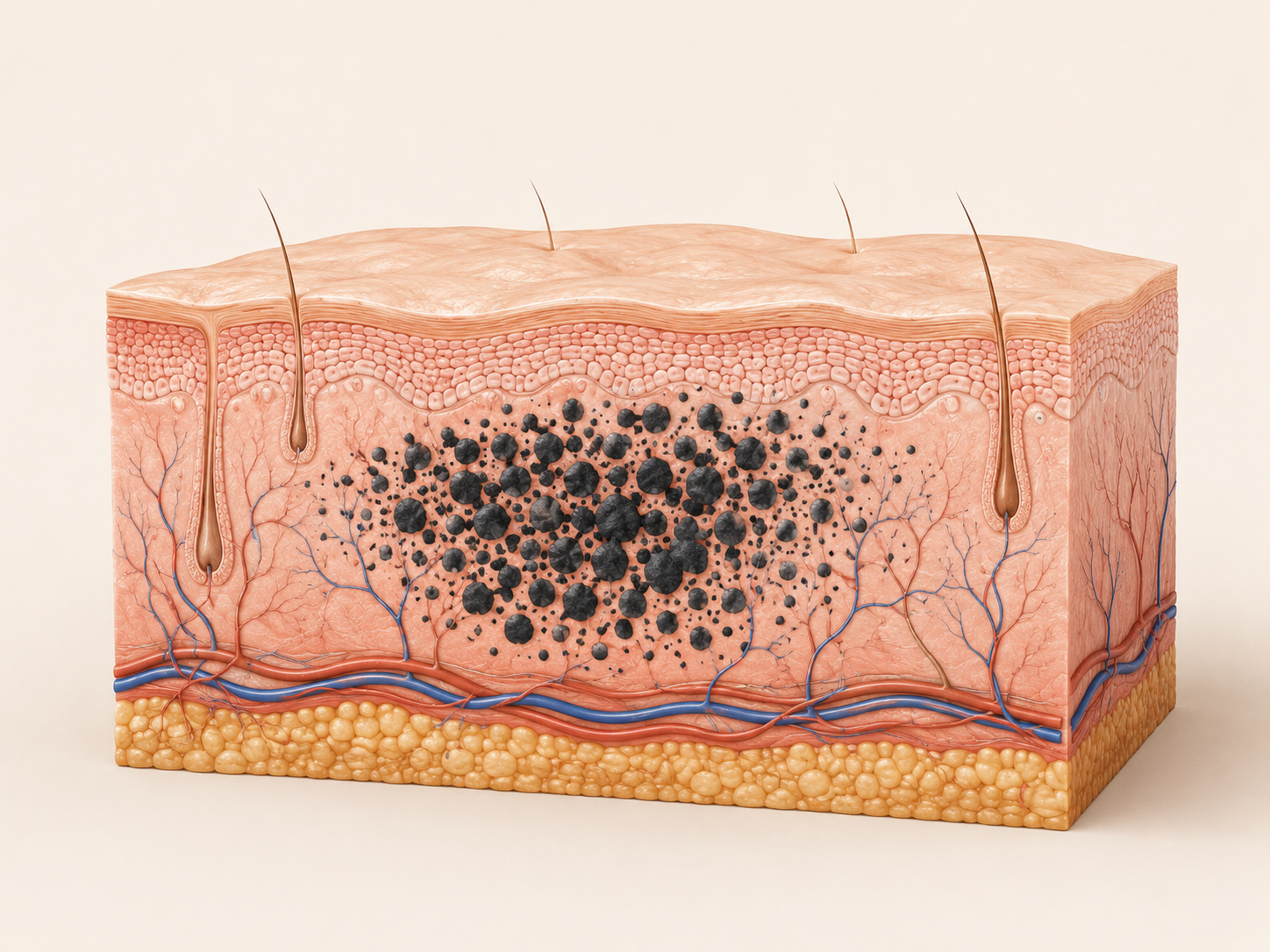
Tattoo ink sits deep in the dermis, trapped where your immune system can’t reach it.
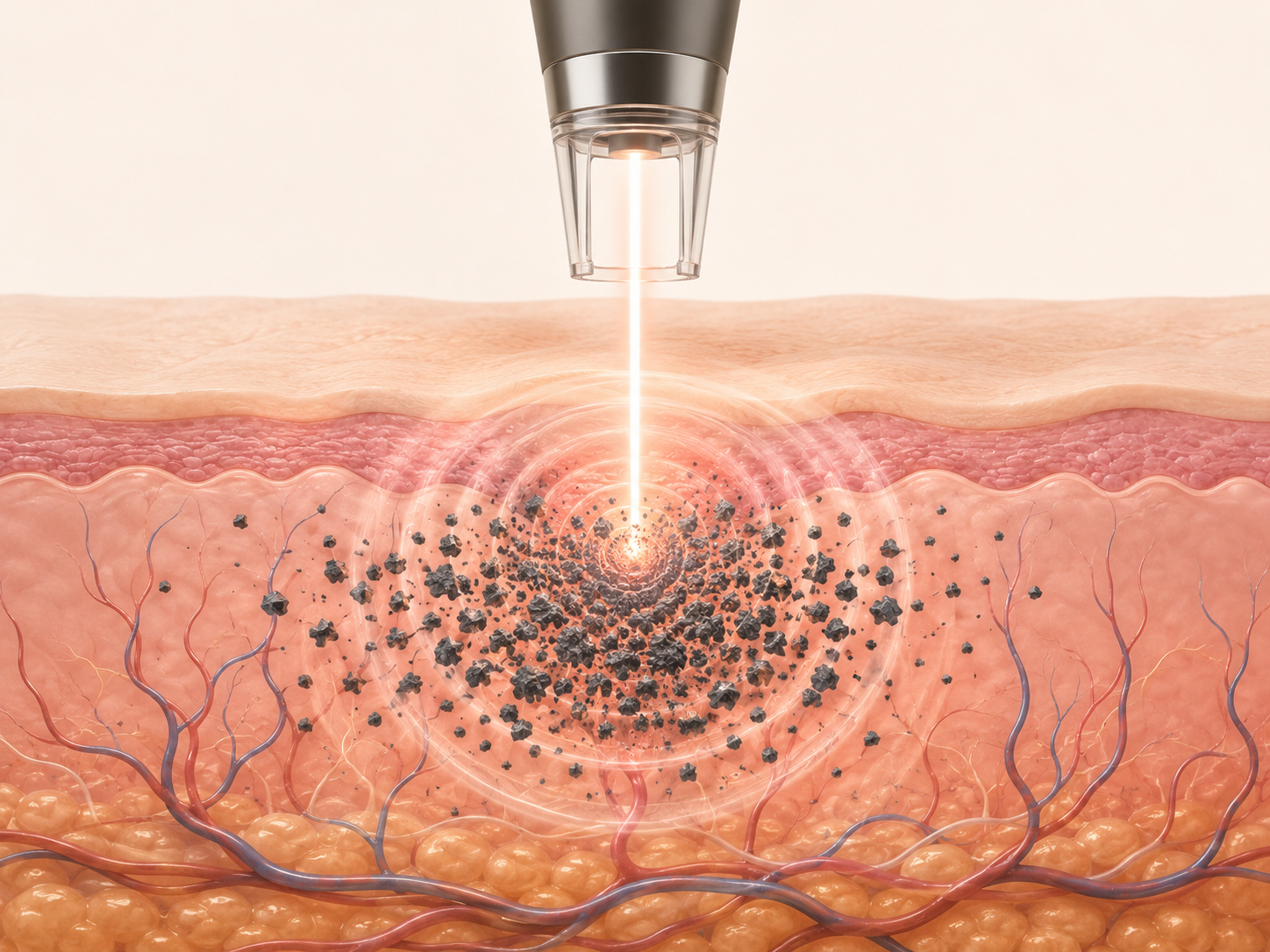
The 755 nm picosecond pulse creates a pressure wave that shatters ink into nano-sized fragments.
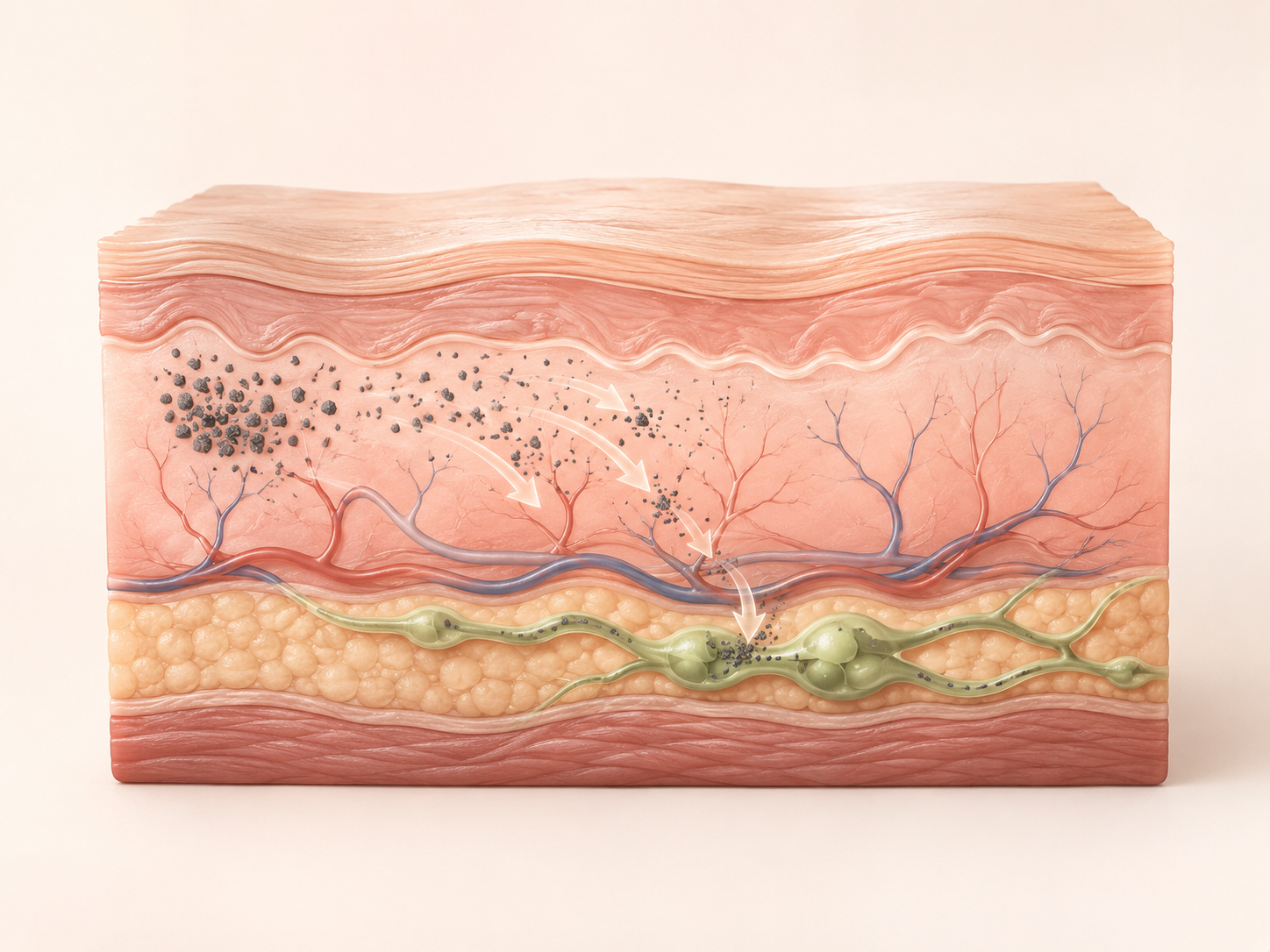
Your lymphatic system gradually removes the fragmented ink particles over the following weeks.




When you get a tattoo, needles deposit ink particles into the dermis—the second layer of skin beneath the epidermis. These particles are too large for your immune system to remove on its own. Instead, macrophages (immune cells) attempt to consume the foreign ink but fail to fully digest it. The ink becomes trapped inside these cells, creating the permanent visual we recognize as a tattoo.
Over years, some ink particles do migrate deeper or get processed slowly, which is why tattoos fade slightly with age. However, the vast majority remains locked in the dermis indefinitely. Laser tattoo removal works by breaking these ink particles into fragments small enough for macrophages and lymphatic vessels to finally clear away.
PicoSure's picosecond pulses create a photoacoustic effect that shatters ink into nano-sized particles—10-100 times smaller than what Q-switched lasers achieve. This exponentially increases the surface area available for your immune system to attack, accelerating clearance and reducing total treatment time.
Professional tattoo inks use standardized, pure pigments with consistent particle sizes. Cheap or homemade inks—common in street tattoos or prison ink—contain unpredictable mixtures of dyes, heavy metals, and fillers. These inconsistent particles respond differently to laser energy, often requiring more sessions or different wavelengths to fully clear.
Additionally, amateur tattoos are frequently applied at irregular depths. A professional tattoo artist maintains consistent needle depth for even ink distribution. DIY or untrained application results in patches of shallow ink (easier to remove) mixed with deep pockets (harder to reach), complicating the removal process.
Different ink colors absorb different laser wavelengths. PicoSure's 755nm alexandrite wavelength is particularly effective for:
Note: Red and orange inks require a separate 532nm KTP handpiece for optimal absorption. This handpiece is not currently available at our clinic. We focus on the ink colors listed above, which respond effectively to our 755nm PicoSure system.
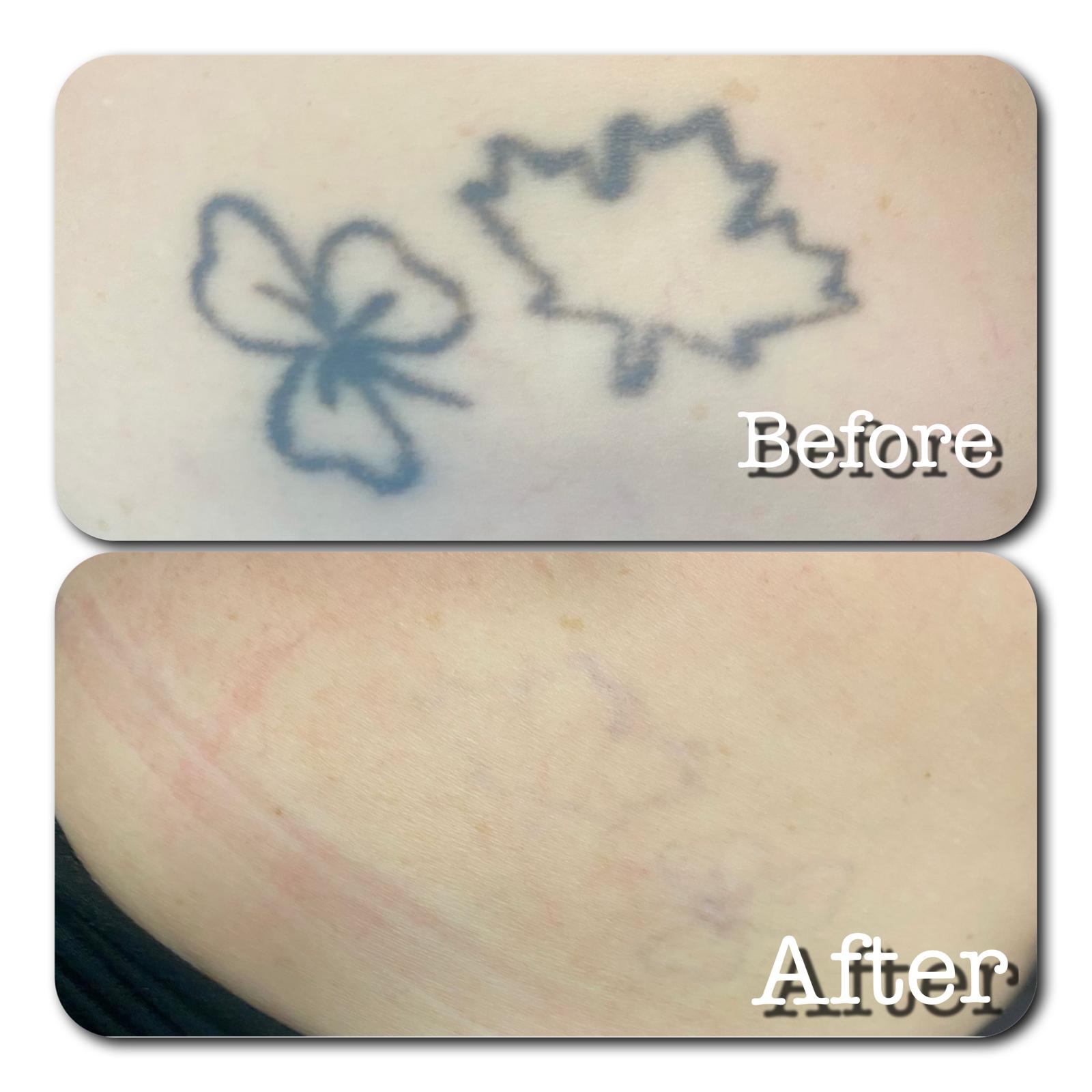
Professional tattoos use high-quality inks applied at consistent dermal depth. They're paradoxically both easier and harder to remove—easier because the ink is uniform and predictable, but harder because there's often more ink density per square inch. Expect 6-10 sessions for vibrant professional work.
Amateur tattoos (stick-and-poke, homemade) use less ink and irregular application. They often fade in 3-6 sessions but may leave patchy clearance due to inconsistent ink placement. Some areas clear completely while others remain stubbornly visible.
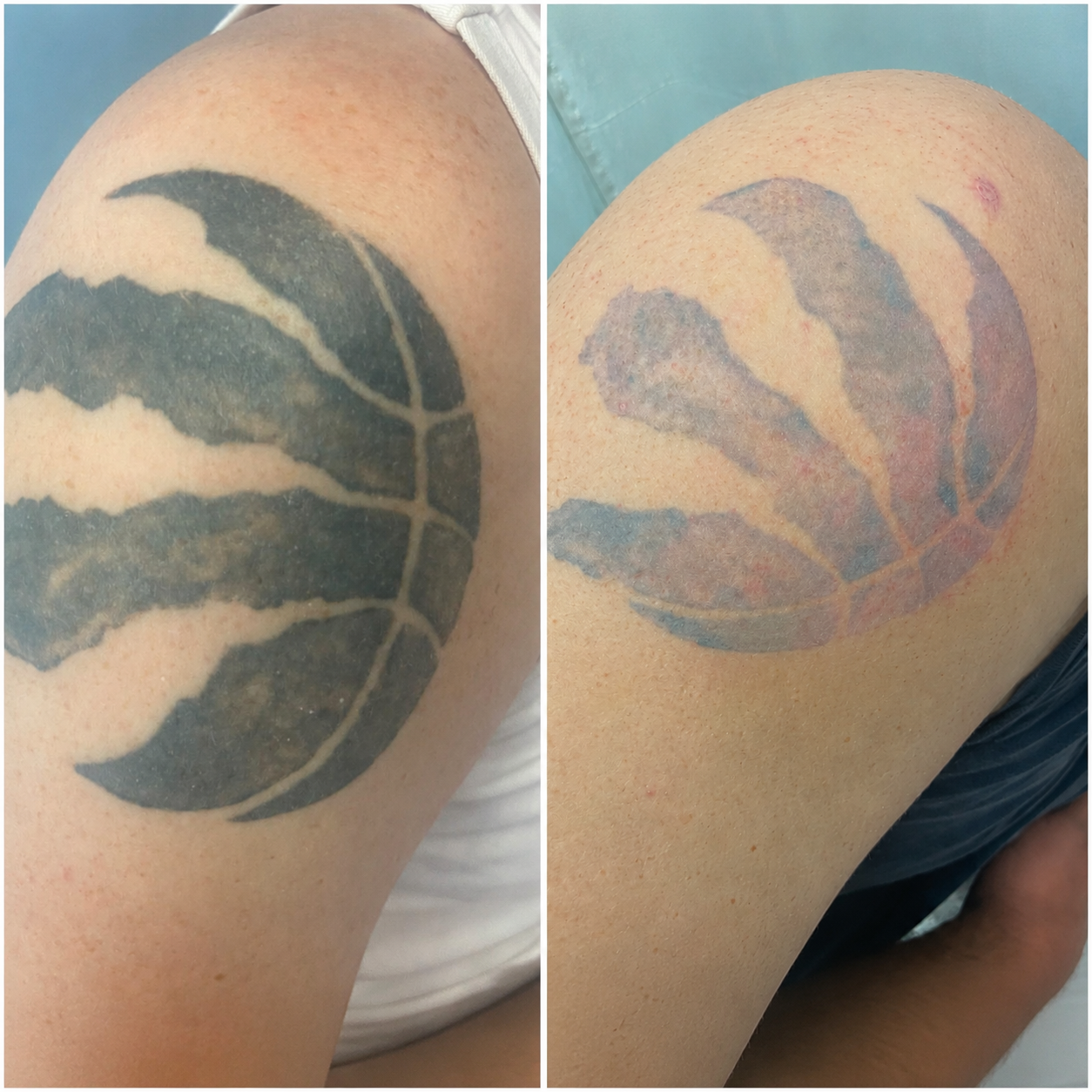
Not everyone wants complete tattoo removal. If you're planning a cover-up tattoo, you only need to fade the existing ink by 60-80% to give your artist a workable canvas. This typically requires just 2-4 PicoSure sessions, significantly reducing time and cost compared to full removal.
We work closely with local Markham tattoo artists to coordinate fading treatments that prepare your skin for new ink. Strategic partial removal can lighten dark areas, reduce color saturation, or clear specific sections while leaving others intact—giving your cover-up artist maximum creative flexibility.
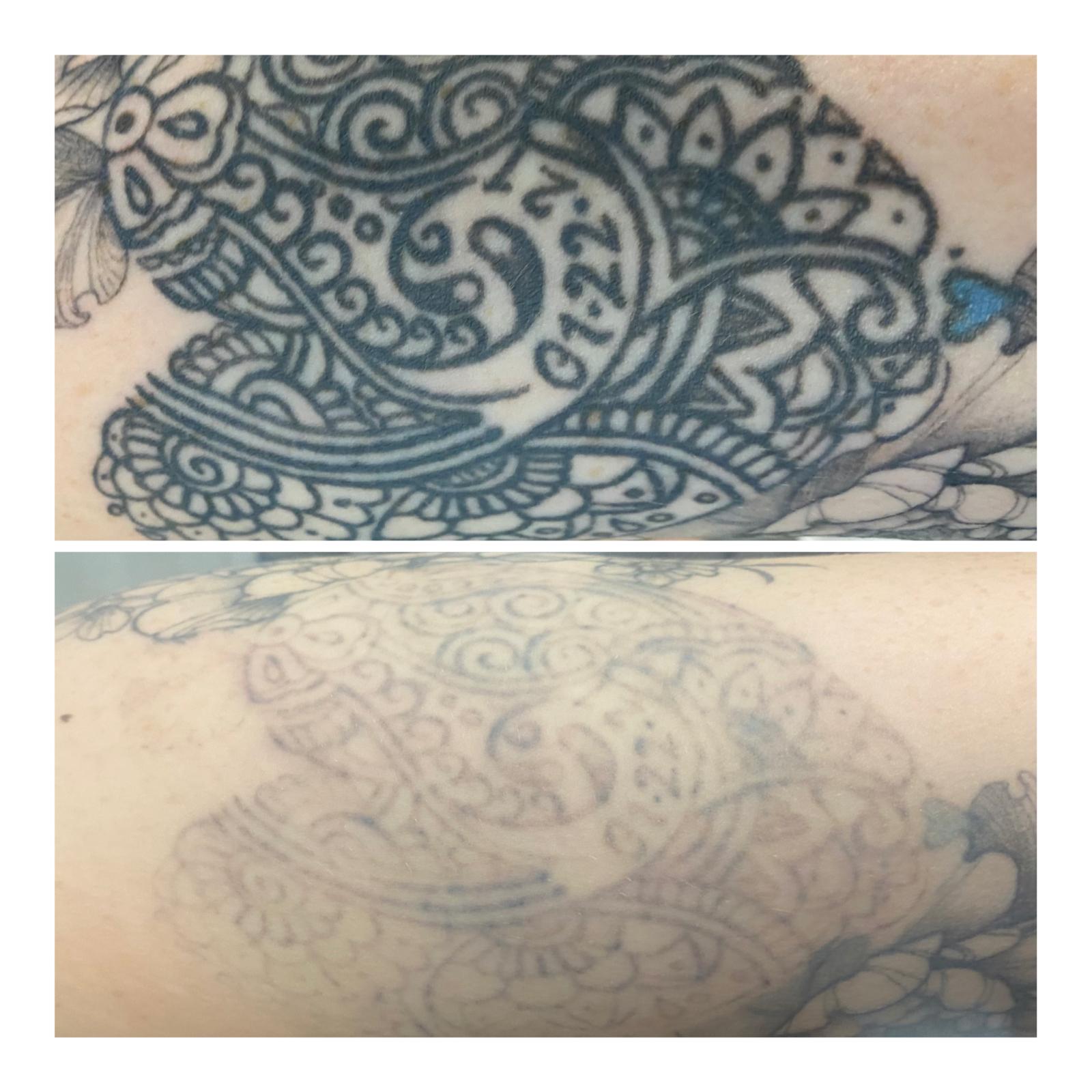
Tattoos more than 10-15 years old generally respond better to laser removal. Natural fading has already begun breaking down larger ink particles, UV exposure has degraded some pigments, and macrophages have cleared a portion of the ink. This head start means older tattoos often require 20-30% fewer sessions than fresh ink. Conversely, tattoos less than 6 months old should not be treated until fully healed.
What to expect
From consultation to recovery — here's exactly what to expect at every stage.
Your journey begins with a free consultation at our Markham clinic. We photograph your tattoo, assess ink colors and density, and use the Kirby-Desai scale to predict sessions required.
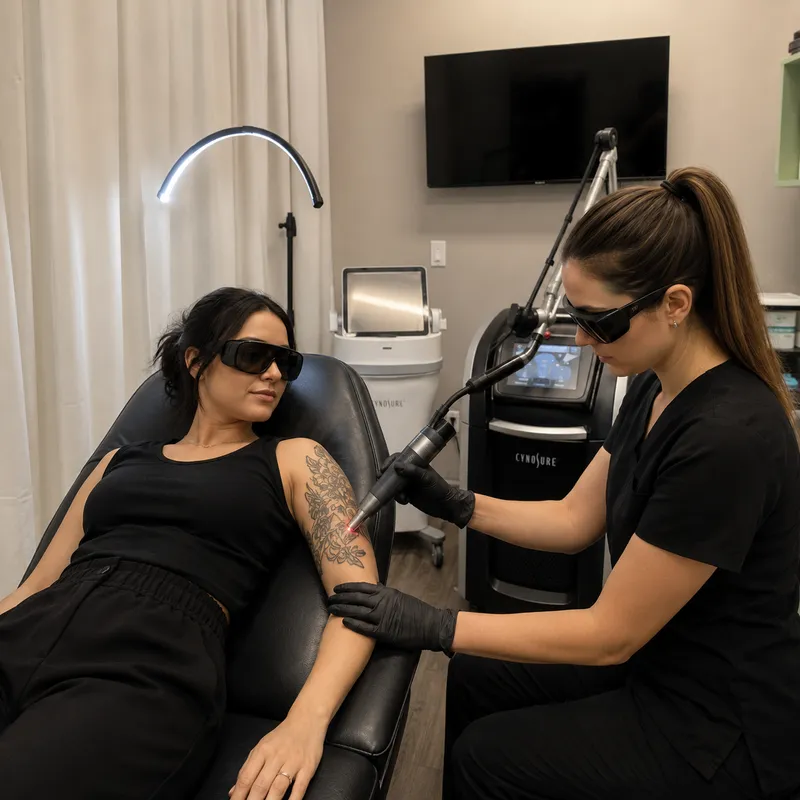
On treatment day, we clean the area and apply EMLA numbing cream 20-30 minutes before. You'll wear protective eyewear while our technician calibrates PicoSure settings.
Frosting fades within 10-20 minutes. We apply Aquaphor or CeraVe Healing Ointment and cover with a sterile Telfa pad. Most clients return to work immediately.
Suitability
PicoSure is FDA-cleared for all Fitzpatrick skin types, but treatment parameters are adjusted based on your melanin levels to minimize hyperpigmentation risk.
PicoSure treats the full range of Fitzpatrick skin tones, but its 755nm wavelength is strongly absorbed by melanin — so on deeper tones we patch-test first and use conservative settings to minimize the risk of pigment change.
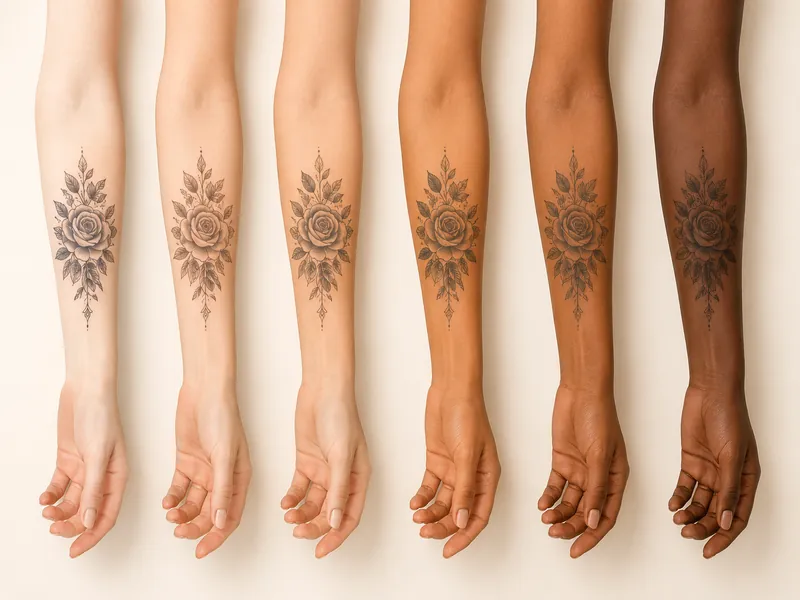
| Skin Type | Description | Laser Safety |
|---|---|---|
| Type I | Pale white, always burns, never tans | Excellent candidate; minimal hyperpigmentation risk |
| Type II | White, usually burns, tans minimally | Excellent candidate; low risk |
| Type III | White to olive, sometimes burns, tans gradually | Great candidate; moderate settings required |
| Type IV | Moderate brown, rarely burns, tans easily | Good candidate; conservative fluence settings |
| Type V | Dark brown, very rarely burns, tans darkly | Suitable with caution; requires experienced operator |
| Type VI | Deeply pigmented dark brown to black | Suitable with careful parameter selection and patch testing |
Aftercare
Proper aftercare is critical for optimal results and preventing complications. Here's what to expect during the healing process.
Petrolatum-based barrier cream for initial 48-72 hours. Prevents infection and locks in moisture during acute healing phase.
Ceramide-rich alternative to Aquaphor. Supports skin barrier repair with hyaluronic acid for added hydration.
Restorative balm with panthenol and madecassoside. Excellent for days 3-14 as skin regenerates and scabs form.
Broad-spectrum sunscreen safe for post-laser skin. Non-comedogenic, fragrance-free, and effective against hyperpigmentation.
Benefits
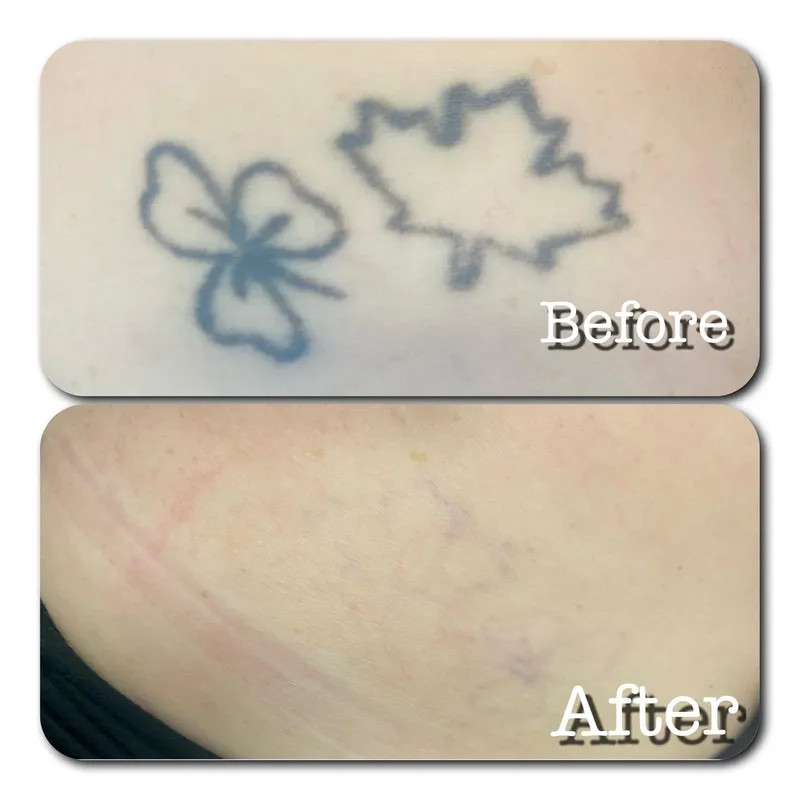
Effectively removes black, blue, green, brown, purple, and turquoise — the stubborn colors that older lasers can't clear.
3-10+ treatments on average compared to 10-20+ sessions with traditional Q-switched lasers.
Resume daily activities immediately with simple aftercare. Redness and swelling resolve within days.
Darker skin is treated with conservative settings and patch testing to protect against pigment change, because the 755nm wavelength is strongly absorbed by melanin.
From our Google profile, word for word.
"Natalia has been absolutely wonderful throughout my laser tattoo removal journey. She has been incredibly kind, professional and genuinely caring throughout every session."
"Always a great experience with Natalia. She is very professional and informed about her services. I am satisfied with my results."
Tattoo removal cost · Markham
Transparent per-session pricing from $120, based on tattoo size. We're at World on Yonge (Yonge & Steeles), minutes from Thornhill, North York, and Toronto — with free underground parking.
Per-session price is based on tattoo size: $120 for tattoos 2×2 inches or smaller, $175 for tattoos up to 6×6 inches — larger pieces are quoted at your free assessment. Save 20% with a package of 6 — $576 for small tattoos ($96/session), $840 for medium ($140/session). Packages are valid for 1 year and transferable to other treatments or another person. Free consultation included.
Beauty & Wellness Clinic, 7191 Yonge St Unit 701-A, Markham, ON L3T 0C4 — at Yonge & Steeles on the Markham–Thornhill border, minutes from Thornhill, North York, and Toronto. Open Mon–Sat, 10am–7pm. Free underground parking via the rear entrance. Rated 5.0 on Google (43 reviews).
Questions
Most tattoos require 3-10+ PicoSure sessions depending on size, ink colors, depth, and your skin type. Black and darker inks typically clear faster, while bright colors like green and blue may need additional treatments. Sessions are spaced 6-8 weeks apart to allow your body to flush out the shattered ink particles naturally.
PicoSure is significantly more comfortable than older Q-switched lasers due to its ultra-short picosecond pulses that minimize heat damage. Most clients describe it as a rubber band snap sensation. We offer numbing cream and cooling methods to maximize comfort during treatment. Discomfort is brief and tolerable for most patients.
Yes, PicoSure excels at removing stubborn colors including blues, greens, and purples that traditional lasers struggle with. The advanced picosecond technology delivers energy so quickly that it shatters even resistant ink particles without overheating surrounding tissue. Black, blue, green, brown, purple, and turquoise inks all respond well to PicoSure treatment.
Our PicoSure tattoo removal is priced by tattoo size: $120 per session for tattoos 2x2 inches or smaller, and $175 per session for tattoos up to 6x6 inches, with larger pieces quoted individually. We also offer multi-session package savings, with your exact package quote and a detailed treatment plan provided at your free assessment. Contact us at (416) 500-1510 to schedule your assessment and get a personalized quote.
Yes, PicoSure can selectively target specific areas of a tattoo for partial removal or fading. This is particularly popular for cover-up preparation, where we fade only the sections that will be covered by new ink. Partial removal typically requires 2-4 sessions depending on the ink density and colors involved.
Yes — we treat all Fitzpatrick skin types (I-VI). PicoSure's photomechanical, low-heat pulses lower the risk of pigment change compared with older heat-based lasers, but darker skin (types V-VI) absorbs more 755nm energy, so we use conservative settings, always patch test first, and space sessions carefully. At your free assessment we'll tell you honestly whether your skin and tattoo are a good fit before treating.
Cheap or street tattoo inks often contain inconsistent particle sizes, heavy metals, and unpredictable pigment compositions that respond differently to laser energy. Professional tattoo inks use standardized, pure pigments that break down more predictably. Amateur tattoos may also have irregular depth placement, requiring additional sessions to target ink at varying dermal layers.
PicoSure tattoo removal sessions are typically spaced 6-8 weeks apart. This interval allows your lymphatic system time to process and eliminate the fragmented ink particles. Rushing treatments closer together does not speed up results and may increase side effects. Patience between sessions is crucial for optimal clearance.
Typical side effects are temporary: a white 'frosting' that fades within 10-20 minutes, then redness, swelling, and sunburn-like tenderness for the first days. Some clients get pinpoint bleeding or blistering — a normal immune response; don't pop blisters and let them resolve naturally. Temporary darkening (hyperpigmentation) or lightening (hypopigmentation) can occur and settles as skin recovers. Following your aftercare plan keeps risks low, and we review your skin and history at your free assessment.
Scarring from PicoSure is very rare. Its photomechanical pulses shatter ink without the heat damage that caused scarring with older lasers. Following aftercare — not picking blisters or scabs, and protecting the area from sun — keeps the risk minimal. If you have a history of keloid scarring, tell us at your free assessment so we can evaluate suitability first.
Red and orange inks need a 532nm wavelength, which our 755nm PicoSure system does not currently offer. We focus on black, blue, green, brown, purple, and turquoise inks, which respond very well to 755nm. If your tattoo contains red or orange, book a free assessment and we'll advise honestly whether removal or fading is realistic for you.
Cosmetic tattoos
Everything above describes body ink. If what you want removed is microblading, powder brows, ombré brows or older permanent makeup, the rules change — and not in a small way. PMU pigments are frequently built on iron oxide and titanium dioxide, which can react to laser energy chemically and darken on the spot instead of fading. That's why we treat brows as a separate service with a mandatory test spot, rather than booking them straight into a normal tattoo-removal series.
The 755nm wavelength also behaves differently on cosmetic pigment: it clears dark, cool-toned brow work well, but absorbs warm, orange and flesh-toned pigment poorly. And because 755nm targets melanin, treating the brow area carries a real risk of thinning brow hair — something worth knowing before you book.
Related
Microblading, powder brows & older PMU. Different pigment chemistry — test spot first.
Learn More →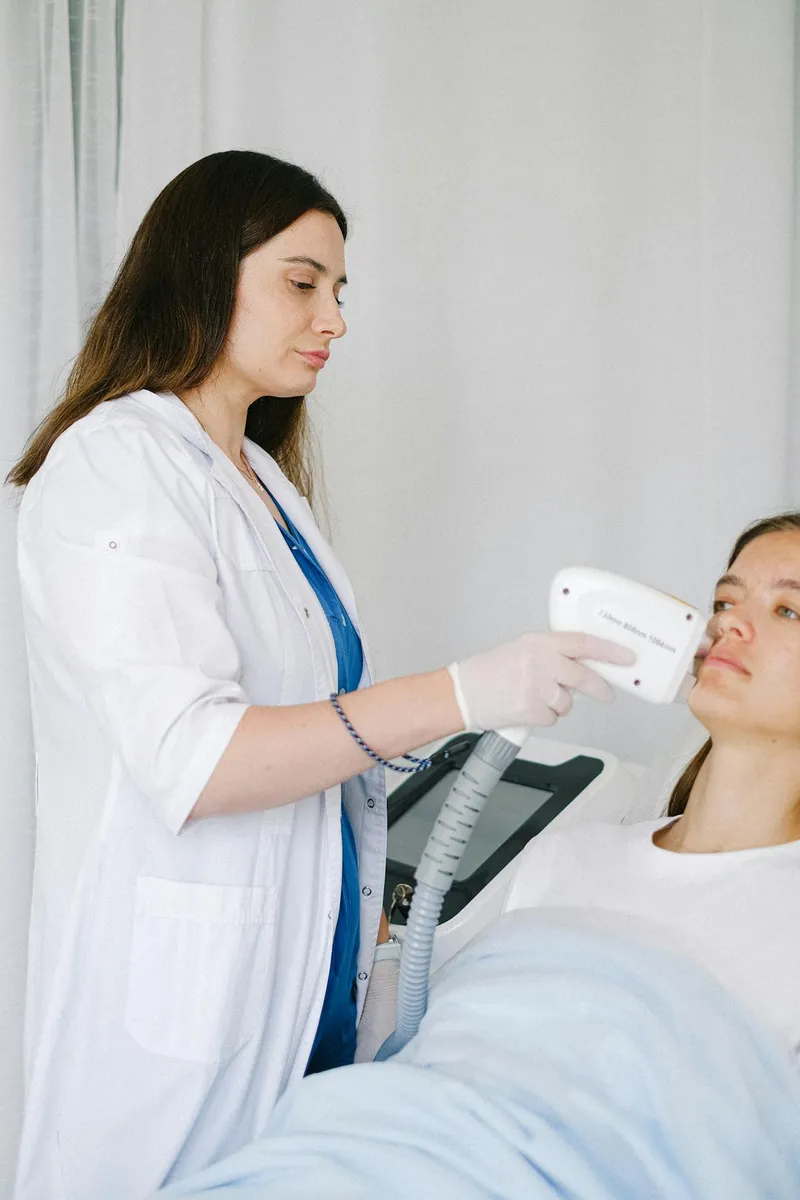
Potenza radiofrequency microneedling for skin tightening, acne scars, and collagen stimulation.
Learn More →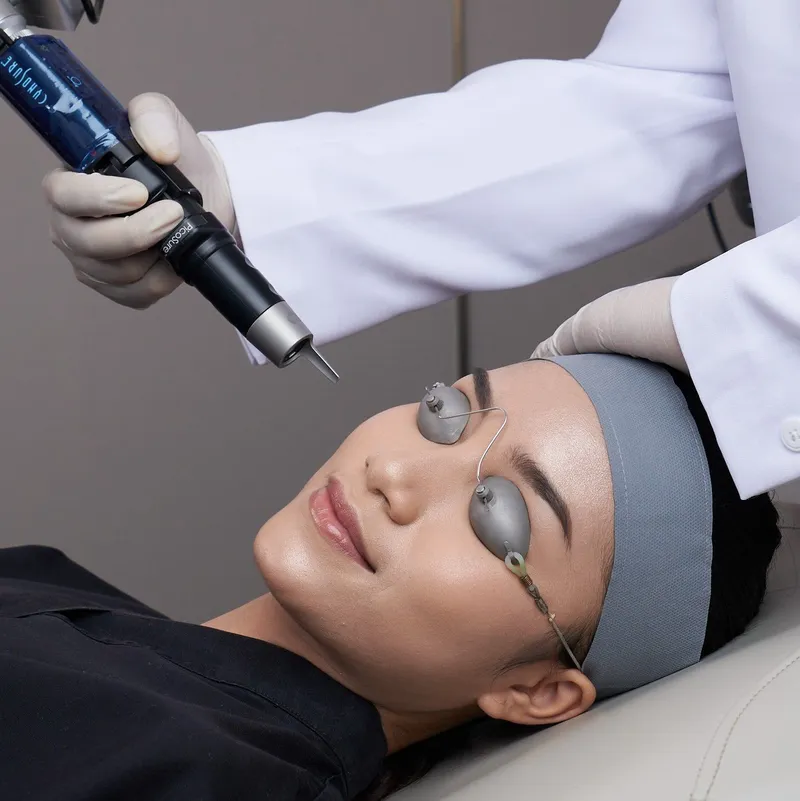
Laser skin resurfacing to reduce wrinkles, improve texture, and restore youthful radiance.
Learn More →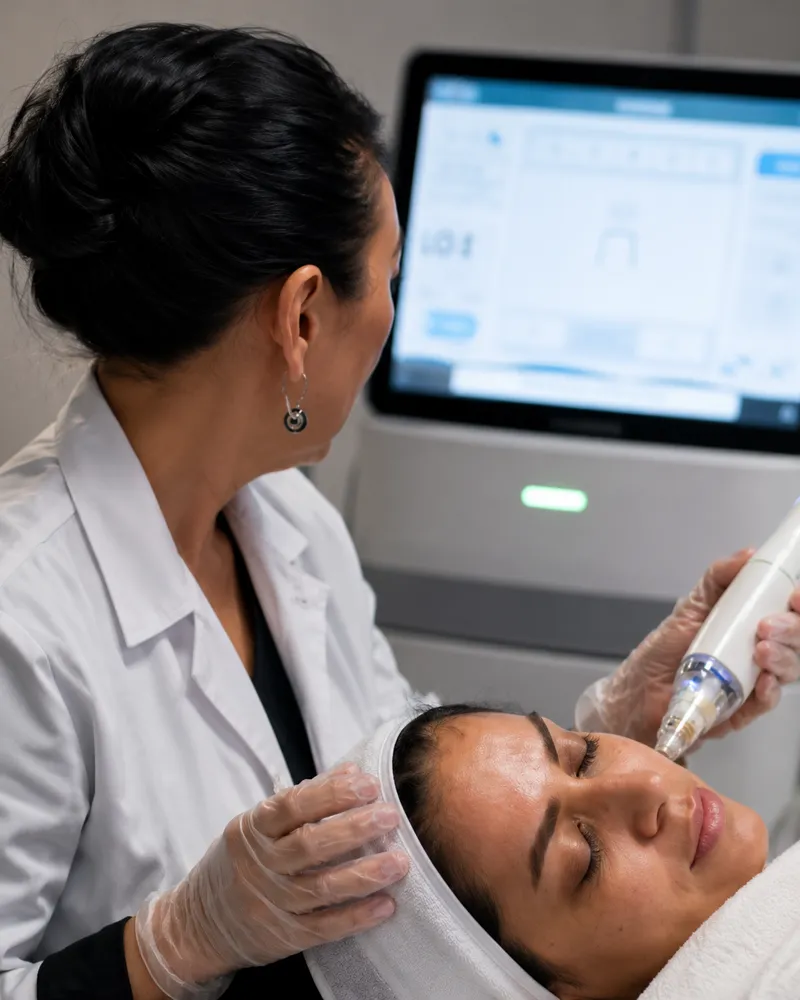
PicoSure laser targets age spots, sun damage, and melasma for even, radiant skin tone.
Learn More →Visit
Book your free consultation and get a personalized treatment plan from our laser specialists. We're inside World on Yonge at Yonge & Steeles — free underground parking (rear entrance), open Mon–Sat 10am–7pm. Rated 5.0 on Google across 43 reviews.
World on Yonge (Yonge & Steeles), Markham, ON L3T 0C4
Free underground parking, enter from Yonge
Mon – Sat
10:00 – 19:00
Closed Sunday
*Statutory holidays vary, please call to confirm.